

Helping kids build coordination can make everyday tasks like getting dressed, playing sports, or eating easier and more enjoyable. The best daily coordination exercises for kids to practice at home include activities that focus on visual-motor skills, balance, and using both sides of the body together.
These simple movements can be both practical and engaging, turning skill-building into a fun part of daily life.
Families can add fun coordination exercises for children into routines with games involving catching, hopping on one foot, or balancing on a line. Even basic activities, such as jumping jacks or tossing bean bags, can boost coordination with minimal setup.
For children with different abilities, parents can find fun coordination exercises designed to be both accessible and enjoyable at home.
Practicing daily not only supports physical development but also helps kids gain confidence and independence.
Encouraging your children to participate in coordination exercises regularly will help them develop essential skills and build healthy habits that last.
The content provided here is for informational purposes only. Always consult your healthcare provider before making any health decisions.
Key Takeaways
- Daily coordination exercises help kids develop important motor skills.
- Simple, fun movements at home can make practice enjoyable and effective.
- Parents can find accessible routines for kids of all abilities.
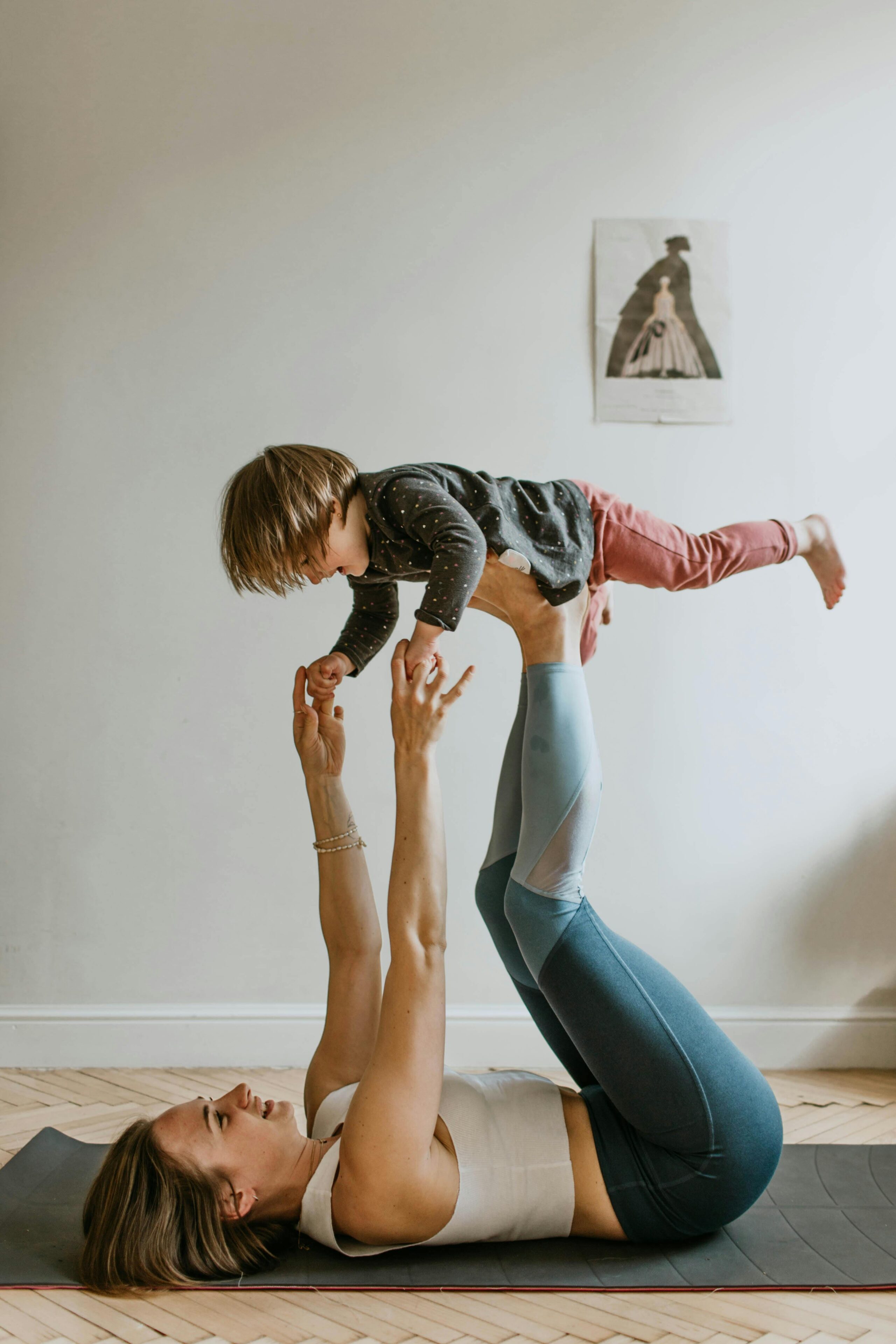
Essential Coordination Exercises for Kids at Home
Daily coordination exercises help children develop strong balance, smooth motor skills, and better overall physical control. By making physical activities part of the home routine, kids can improve focus and body awareness while having fun.
Balance Activities and Games
Balance is a foundation for physical development. Simple games like hopscotch, walking on a tape line, or using a balance beam help strengthen core muscles and improve stability.
Kids can also try balancing on one foot or perform a balance challenge by holding different poses for 10–20 seconds.
Balance beams or boards offer safe but effective ways to improve core stability. Crab walking and wheelbarrow walking build bilateral coordination and balance at the same time.
Adding group games like Twister and Simon Says can make balance exercises for kids both social and engaging.
Hand-Eye Coordination Exercises
Practicing hand-eye coordination helps kids with writing, sports, and daily tasks. Playing catch improves visual tracking and timing. Juggling scarves or beanbags promotes concentration and coordination skills.
Simple activities like tossing a ball against the wall and catching it or aiming for targets with soft toys also improve these skills. Hula hooping strengthens the trunk and requires synchronized arm and eye movements.
Drawing or tracing patterns on paper can fine-tune both bilateral and visual motor skills. Integrating short, focused coordination exercises for kids each day can make a significant difference.
Full-Body Movement Activities
Full-body activities help develop gross motor skills and core stability. Obstacle courses can be set up with household objects, challenging kids to climb, jump, and crawl under or over different items.
Jumping jacks, skipping, and bike riding all enhance coordination by requiring multiple muscle groups to work together.
Dancing to music makes children move with rhythm and control, building both coordination and confidence. Wheelbarrow walking, crawling, and crab walking add fun while improving strength and core stability.
Benefits and Practical Tips for Practicing Coordination at Home
Daily coordination exercises for children at home help build both physical and cognitive skills critical for child development.
They support body control, spatial awareness, and other motor abilities while also contributing to confidence and focus. Following structured routines and making play-based activities fun for kids can lead to longer-term improvements.
Physical and Cognitive Benefits
Practicing coordination exercises, such as balance training and visual tracking games, helps children improve their core stability, postural control, and kinesthetic sense.
These activities—like standing on one leg, jumping on unstable surfaces, or catching a ball—promote body awareness and mastery of both static and dynamic balance.
Kids can also enhance their fine motor skills with activities such as using scissors or assembling building blocks.
Physical fitness is supported through active play, which may involve swimming or walking on uneven terrain. These exercises help build strength and improve coordination in kids. Improved coordination benefits concentration, attention, and skills needed for everyday activities.
For children with developmental delays, autism, or cerebral palsy, daily home practice can complement physical therapy approaches commonly used in pediatric physical therapy exercises. Consistent work increases their confidence and independence.
Creating a Safe and Engaging Environment
A safe, supportive environment at home encourages regular practice. Ensure the space is clear of tripping hazards and, when using unstable surfaces like cushions or mats, supervision is key.
Kids benefit from play-based activities that keep them engaged, making routine practice feel enjoyable rather than repetitive.
Frequent positive feedback and small challenges, like increasing balance time or adapting activities for varied skill levels, can sustain motivation. Balance exercises and mindful encouragement foster confidence and safe skill development in daily routines.
Conclusion
Daily coordination exercises help children develop balance, timing, and strength through regular practice. Activities such as hopping, jumping, tossing, and catching encourage bilateral movement and build skills they use in everyday life.
Consistent routines at home make it easier for kids to progress and stay engaged. Many simple exercises can be found in guides on coordination for children, offering families ideas that require little or no equipment.
By choosing age-appropriate activities and keeping sessions fun, parents support their child’s physical and motor development effectively.
Clear instructions and gradual challenges are key to continued progress and success.


