

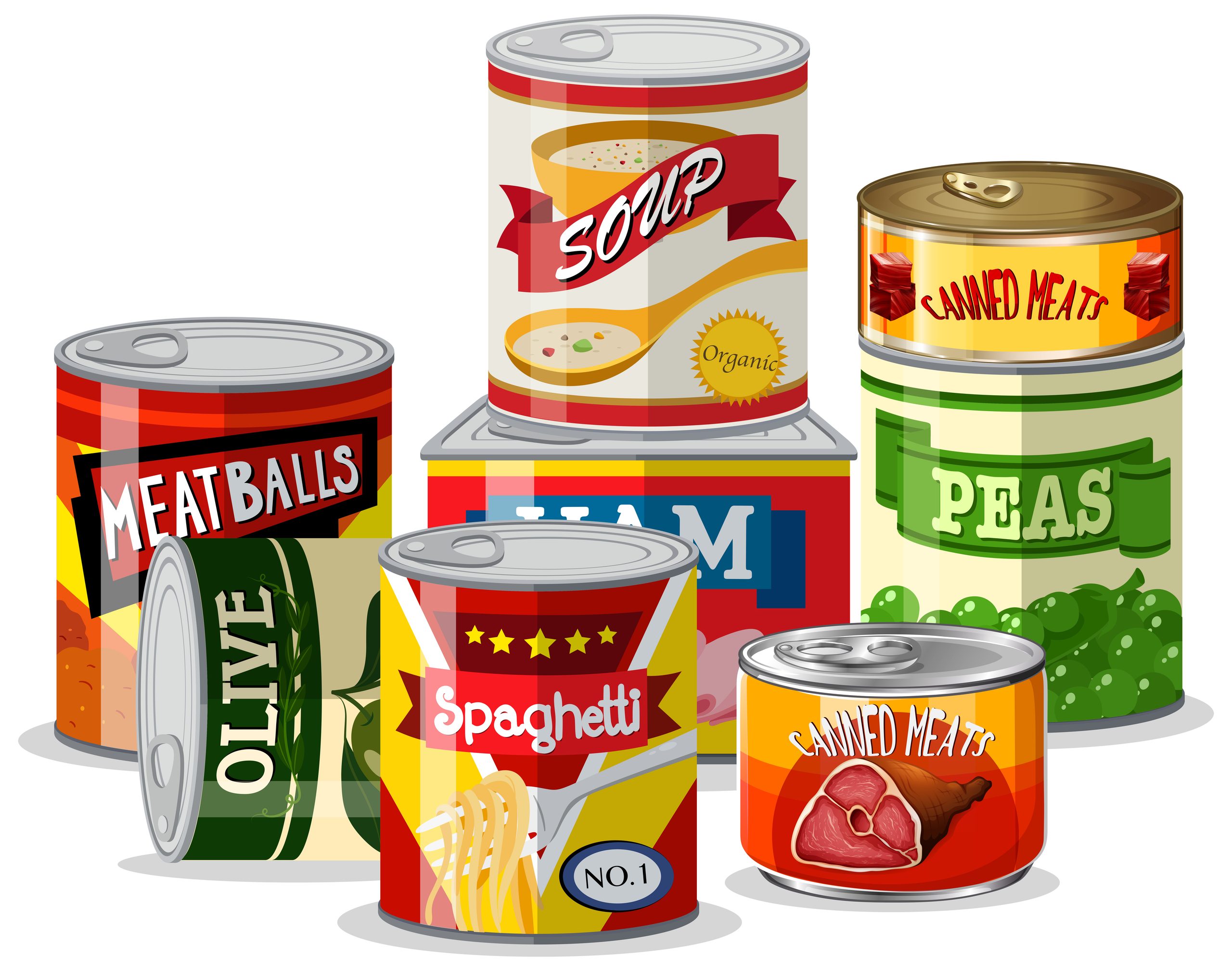
Food packaging does more than hold a product. It protects freshness, supports safe handling, and shapes how customers view your brand. Whether you sell baked goods, snacks, sauces, confectionery, or ready-to-eat meals, the right packaging can help your products reach customers in excellent condition.
However, not every packaging material suits every food item. Some products need protection from moisture, while others require an airtight seal or a strong container that prevents damage during transport. Businesses must also consider food-contact safety, storage conditions, shelf life, and ease of use.
From reusable metal containers to recyclable paperboard boxes, several options can help food businesses balance protection, presentation, and convenience. Read on.
1. Custom Tin Packaging for Durable Food Storage
Metal tins offer a sturdy and attractive way to package many types of food. Brands can use them for biscuits, loose tea, coffee, confectionery, nuts, spices, and other suitable dry products. Their rigid structure helps protect contents from crushing, while properly fitted lids help limit exposure to air and moisture.
One major advantage of tin packaging is its ability to combine product protection with premium presentation. Businesses can add brand colors, printed artwork, embossed logos, and decorative finishes to create a container that customers recognize.
Food-contact safety remains essential when choosing metal packaging. The tinplate, interior coating, seams, and lid design must suit the intended food and its storage conditions. Acidic or salty products may require special internal coatings to prevent unwanted reactions with the metal.
2. Food-Grade Paperboard Boxes
Paperboard boxes are a practical option for bakeries, cafés, confectionery brands, and food retailers. They are lightweight, easy to store flat before assembly, and simple to customize with logos, product details, colors, and attractive graphics.
Businesses can use them for cakes, cupcakes, cookies, chocolates, and various dry food products, provided the box design suits the food. The main benefit of paperboard packaging lies in its flexibility. Brands can choose different shapes, sizes, window cut-outs, inserts, and closures to suit their products.
A cupcake box, for instance, may include a fitted insert that keeps each cake in place. A cookie box may use a simple folding design that reduces storage space and makes packing faster.
3. Food-Safe Flexible Pouches
Flexible pouches have become a popular choice for snack makers and food brands that need lightweight packaging. They work well for products such as nuts, granola, dried fruit, crisps, coffee, powdered ingredients, and many other dry foods. Their flexible structure can reduce storage demands and make products easier to transport than bulky rigid containers.
Different pouch designs serve different needs. Stand-up pouches provide shelf visibility, while flat pouches suit smaller portions and sample packs. Resealable zippers allow customers to open the package and close it again, helping them manage the remaining contents.
Tear notches can make opening easier, while transparent windows may let shoppers see the product when the complete packaging structure allows it.
4. Food-Grade Plastic Containers
Plastic containers offer convenience for businesses that sell salads, prepared meals, sauces, dips, chilled desserts, and other foods that need a firm container. Their rigid construction helps prevent spills and crushing, while clear walls can make the contents visible to customers.
Depending on the material and design, containers may also support secure lids and portion control. Different plastics have different properties. Polypropylene, for example, is widely used in food containers and can suit certain hot-fill or reheating applications when the specific product is designed and tested for those conditions.
Polyethylene terephthalate is often used for clear food packaging, including containers for chilled products. However, no material should be considered suitable for every food or temperature.
5. Corrugated Food Packaging for Safe Delivery
Corrugated packaging is useful when food products need extra protection during storage, distribution, or delivery. Its layered construction contains a fluted middle section between flat liners, which helps the box resist pressure and absorb some impacts.
This makes it a suitable option for transporting bakery assortments, packaged snacks, food gift sets, and multiple food containers together.
For restaurants, caterers, and food manufacturers, transport packaging plays an important role in keeping orders organized. A correctly sized box can reduce movement inside the package and help prevent items from colliding. Dividers and inserts can provide extra support for jars, bottles, trays, or individually packed products.
Final Thoughts
Food-safe packaging helps protect product quality, build customer confidence, and present your brand professionally.
Metal tins suit many premium dry foods, paperboard boxes support bakery and retail products, flexible pouches offer convenient storage, plastic containers serve many fresh and prepared foods, and corrugated boxes protect packaged items during transport.
The ideal choice is the one that fits your product rather than simply following a packaging trend. When you combine suitable food-contact materials with practical design and clear branding, you can create packaging that serves customers well and supports your business as it grows.


