

There are some significant transitions in our lives that we all have to go through. And, in women’s lives, menopause is one of those. This is a period of great changes, and there are quite a lot of things that we have to adapt to, so there is no doubt that it is going to be challenging.
Among other things, we have to come to terms with the fact that our bodies will respond differently to the things we are eating. Meaning, thus, that women often have to make some dietary changes when going through this particular transition. And, well, that can also be rather difficult and challenging, especially if you don’t really know what to do and what kinds of changes to make.
You may have already started doing some research about it, though. But, the thing is, you’re most likely getting some contradictory and conflicting information, because everyone has something to say, and not everyone agrees on how it all works. This is why working with a nutrition expert who understands menopause is the best move for you, so checking out Sarah Lynn Nutrition and similar ones may be the right decision.
Anyway, while doing the research, you may have, among other things, come across the information that you should avoid dairy during menopause. But, you may not be sure if the info is legit, which means that you want to check before acting on it. And, that is the right thing to do – always check before acting on anything. So, let us now answer that question for you and tell you more about what you need to know here.
So, Should You Avoid It?
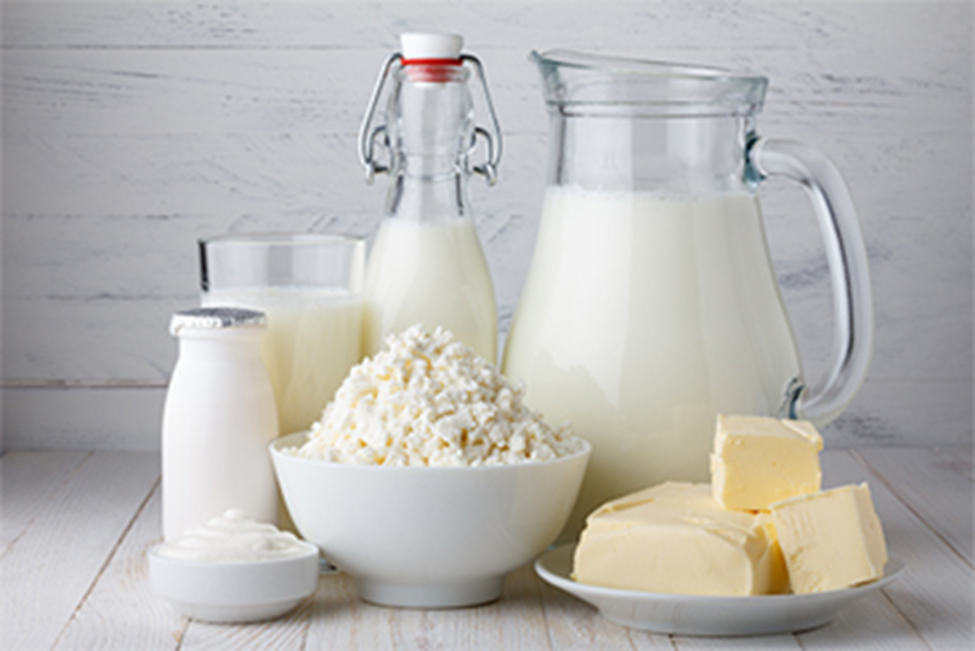
To cut right to the chase, the answer to this question is a definite no. You should certainly not avoid dairy during menopause, and there are several reasons for it. In fact, it has shown to be quite helpful in this period, and it can have some great effects on certain parts of our overall health and wellbeing. Let me now tell you about some of the effects to consider.
For one thing, during menopause we experience a decline in estrogen, and estrogen is important for, among other things, protecting our bones. Thus, when its levels lower, there is a higher risk for fractures, as well as osteoporosis. That’s where calcium comes in, as highly important for maintaining bone mass. And, as you probably know, dairy products such as milk, cheese and yoghurt contain a lot of calcium.

Furthermore, menopause also brings decreased muscle mass with it. This is why you nutrition should be rich in proteins. Once again, some dairy products contain protein, among other nutrients, which is another reason why you should definitely not avoid it during menopause.
As we age, gut health also becomes increasingly important. And, there is evidence that some dairy products can support your gut health. So, that’s one more thing that speaks in its favor.
What Should You Do?
Of course, we are all different, and we all have our own health considerations and challenges that we are dealing with. Meaning, thus, that our individual tolerance and general individual differences are sure to affect a precise answer to the above question. What should you, then, do?
Well, the best thing to do is work with a professional dietitian to help you create the perfect plan for yourself. Naturally, you want to hire one that is aware of hormonal changes that come with age and that understands menopause, because that’s how you’ll get the right support during this transition. The bottom line, though, is that you have to work with a good expert that will create an individual, personalized plan tailored specifically to you, and thus clearly explaining whether you should avoid dairy or not.
How to Choose the Right Expert?
Okay, it is probably clear to you that working with professionals is of crucial importance here. But, you may not be sure about how to actually find and choose the right one for you. So, this now becomes your main question. And, what is the answer?
Clearly, you will be able to find different experts online, as Sarah Lynn Nutrition and other experts are bound to have their official sites. Furthermore, you can also get recommendations from the people you know. In short, make a list of potential ones and then start doing some more detailed research.
Check for licenses first, because you want to choose a properly licensed dietitian. Then, check qualifications and experience too, and don’t forget to also inspect the reputation of the potential candidates through reading reviews written by previous clients. Naturally, get more quotes and compare them, while keeping in mind everything else we have mentioned, so that you can ultimately choose the best expert for you.


