

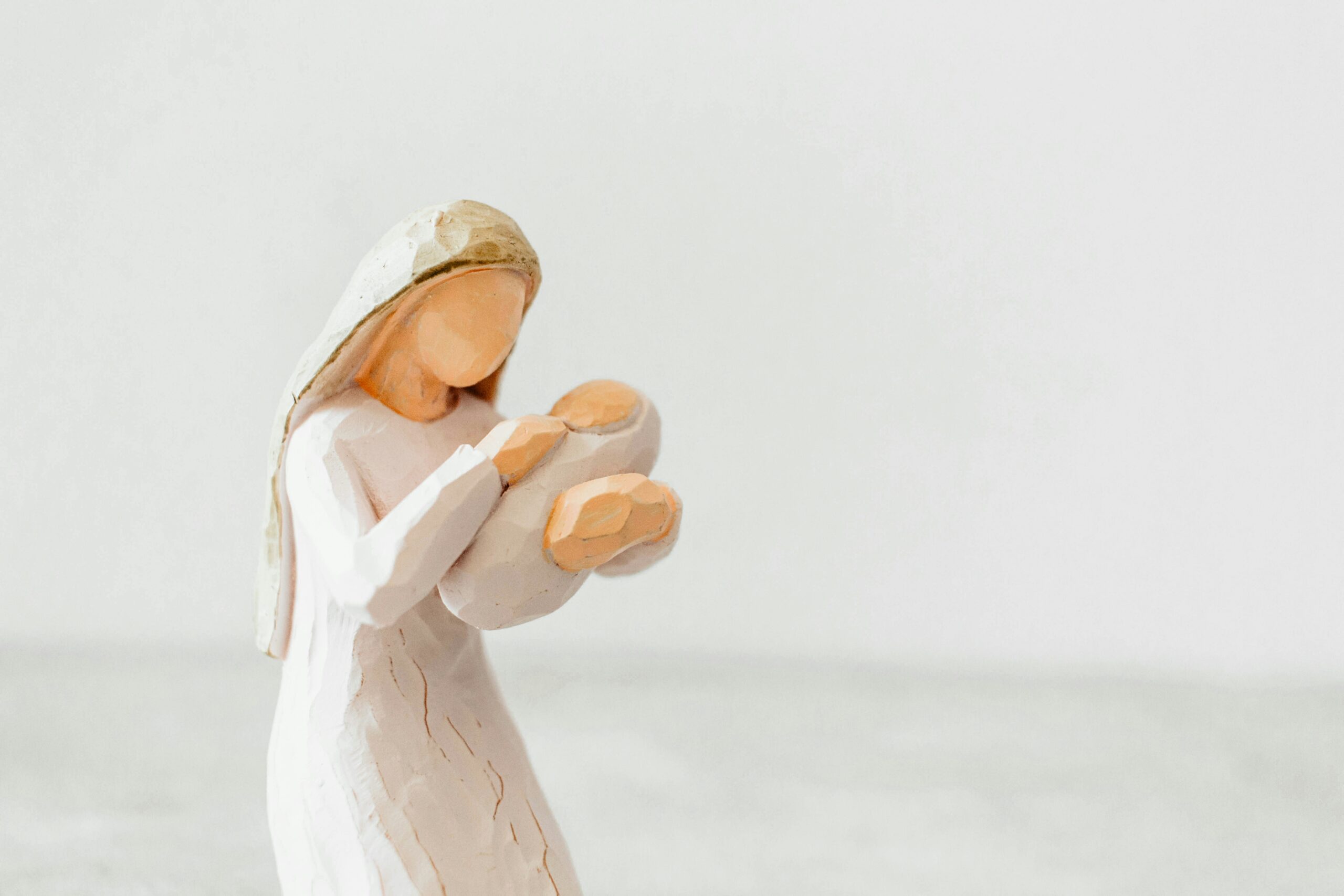
Religious gifts carry meaning that goes far beyond the object inside the wrapping paper. They can recognize a loved one’s beliefs, mark an important milestone and create a lasting connection to family traditions. Since religious identity is deeply personal, the best gifts reflect what the recipient values instead of relying on a one-size-fits-all symbol.
A thoughtful choice can become part of everyday prayer, a holiday display or a treasured collection of family keepsakes. That lasting role is what makes this type of gift feel so personal.
More Than a Beautiful Object
A religious gift often communicates support without requiring a long speech. It may say, “I respect what matters to you,” or remind someone that family and faith remain close during a major change.
The meaning can also come from how the item will be used. A small cross displayed in a new home may offer a daily reminder of faith, while a handcrafted Nativity piece can return to the mantel every Christmas. Over time, the recipient may associate the object with the person who gave it and the occasion it honored.
This emotional connection reflects the broader social meaning of gifts, which often preserve relationships and shared memories. Even when browsing gift ideas for inspiration, the most thoughtful choices are often those that reflect the recipient’s personality, beliefs, or important life experiences.
Match the Gift to the Moment
Start with the occasion because it can guide both the symbol and the level of formality. Baptisms, First Communions, and confirmations often call for items that recognize spiritual growth. Weddings and housewarmings invite gifts connected to blessings, hospitality, and the creation of a shared home.
Christmas gifts may focus on the Nativity story or meaningful seasonal traditions. For families who value an item’s place of origin, handcrafted gifts from the Holy Landions can connect an important celebration with Bethlehem and its religious significance.
Think about timing too. A keepsake presented privately after a ceremony may feel more personal than one opened in the middle of a crowded reception.
Consider the Recipient’s Personal Faith
Religious traditions include different symbols, customs, and ways of displaying sacred items. Pay attention to what your loved one already keeps at home, wears, or talks about. Someone who has a prayer corner may appreciate a piece for that space, while a person with simple decor may prefer a small object that fits on a bedside table.
Age and lifestyle matter as well. A delicate display piece may suit an adult collector, but a sturdy keepsake could be more appropriate for a child. If you’re unsure about a particular symbol, ask a close family member or faith leader. Quietly checking prevents an awkward mismatch without spoiling the surprise.
Craftsmanship Adds a Story
Handcrafted religious gifts have small variations that make each piece feel individual. The texture of carved material, a hand-painted detail, or the marks of traditional workmanship can give the recipient something interesting to examine and share with others.
Origin can deepen that story. An item associated with a place that holds spiritual or family significance may feel especially meaningful, even if the recipient has never traveled there. Look for clear information about where the gift was made, who created it, and what materials were used.
Quality matters because many religious keepsakes are meant to last for decades. Check dimensions, care instructions, and construction details before ordering, especially when the item will be displayed or handed down.
Personal Touches Make It Memorable
A short handwritten note can explain why you selected the gift without overloading the moment. Mention the occasion, the quality you admire in the recipient, or the hope you have for this new chapter. Three sincere sentences will usually feel warmer than a long formal message.
You might also add the date discreetly to a card or gift box. That detail becomes useful years later when the keepsake has joined other family treasures. If personalization is available, confirm spelling and dates carefully before submitting the order.
Presentation should complement the meaning. Use a simple box, soft tissue, and a ribbon in the recipient’s favorite color. Respectful, understated wrapping keeps the focus on the gift and its story.
A Keepsake for the Years Ahead
The strongest religious gifts find a natural place in the recipient’s life. Before buying, picture where the item might be kept and how often it could be used or seen. A wedding blessing may hang near a family photo, while a baptism keepsake could remain safely stored until the child is old enough to understand its history.
Share the gift’s background when it’s opened, particularly if its materials, place of origin, or symbolism influenced your choice. That small explanation gives the recipient a story to pass along with the object. Years later, the keepsake may still recall a specific celebration, a loving message, and the person who chose it with care.


