

When you think of elegance, sophistication, and classic charm, few accessories rival the pearl necklace. For centuries, pearls have been prized as symbols of purity, wisdom, and luxury.
In our fast-paced world of fleeting trends, pearls remain steadfast, quiet yet commanding, simple yet refined.
This blog post delves into the world of pearl necklaces, exploring their history, varieties, styling tips, and advice when you Buy Pearl Necklaces. Whether you’re a seasoned collector or a first-time shopper, this guide will help you navigate the pearlscape with confidence.
Understanding Pearl Types and Qualities
When shopping for a pearl necklace, you’ll encounter several types. Freshwater pearls, mainly cultured in lakes and rivers, are among the most affordable.
They offer a range of shapes and colors—from soft pastels to vibrant hues. Akoya pearls, cultivated in Japan and China, are famed for their bright luster and near-perfect spherical shape.
South Sea pearls, from regions like Australia and Indonesia, are larger and luxurious, often ranging from 9 to 20 millimeters and prized for their satiny sheen.
Tahitian pearls, cultivated in French Polynesia, are known for their exotic dark tones—deep blacks, grays, greens, and peacock blues.
Quality comes down to several factors: luster, surface, shape, color, and size. Lustrous pearls have a sharp, mirror-like shine.
The smoother the surface, the more desirable; tiny blemishes are acceptable, but large marks reduce value. Ideally, pearls are round, although baroque and oval shapes carry unique charm.
Color preference is personal, but most buyers go for classic white or cream. Size influences both impact and price—larger pearls make bolder statements and cost more.
Choosing the Right Necklace Length
Necklace length plays a vital role in how a pearl strand complements your neckline and personal style. The standard lengths include:
- Collar (12–13 inches): hugs the neck like a choker, perfect for open-collar shirts and off-the-shoulder outfits.
- Princess (17–19 inches): the classic length, resting at the collarbone and pairing effortlessly with most necklines.
- Matinee (20–24 inches): bashful yet elegant, suits higher necklines and office wear.
- Opera (28–37 inches): glamorous and versatile, can be worn long or doubled for a layered effect.
- Rope (longer than 37 inches): dramatic and statement-making, excellent for multiple wraps or creative draping.
Try different lengths against your preferred wardrobe staples to see what resonates best with your personal style.
Styling with Pearl Necklaces
Pearl necklaces are incredibly versatile. A single strand of pearls instantly elevates a simple t-shirt and jeans, adding an air of sophistication. Paired with a cocktail dress or suit, they embody timeless glamour.
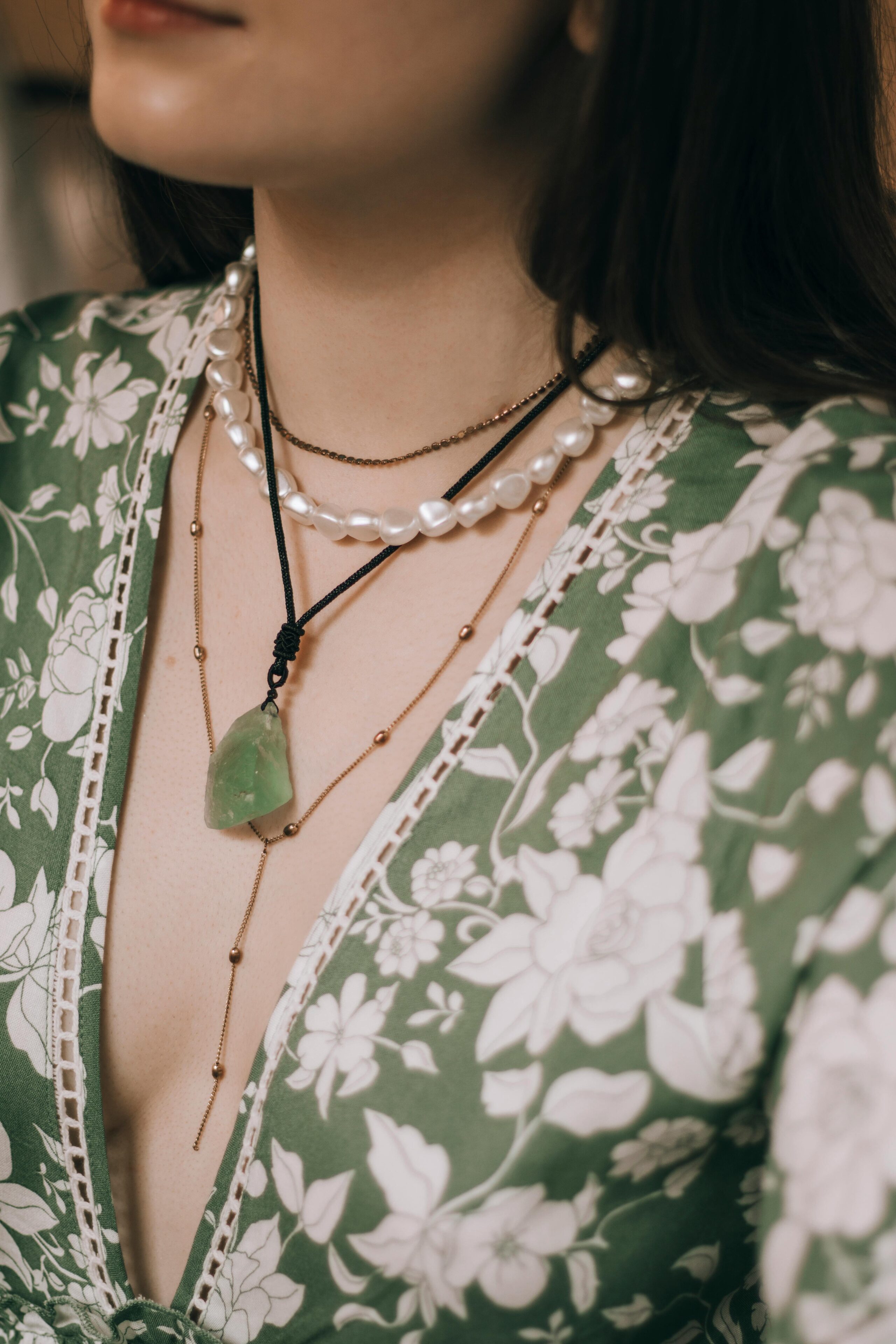
Layer multiple strands for a dramatic effect, especially when wearing an opera-length piece doubled around the neck.
Caring for Your Pearls
Despite their fragile appearance, pearls are durable when treated properly. To maintain their radiance:
- Wipe pearls with a soft cloth after wearing to remove skin oils, perfumes, or makeup.
- Store them flat in a soft pouch or lined jewelry box to prevent stretching or scratching.
- Avoid direct contact with chemicals—perfume, hairspray, and cleaning agents can damage their luster and nacre.
- Refresh the strand every few years by restringing with quality silk thread, knotting between each pearl to add strength and prevent rubbing.
Choosing Ethical and Sustainable Pearls
Environmental and ethical considerations are increasingly important to today’s buyer. Choose pearls from sources that prioritize sustainable aquaculture practices and fair labor conditions.
Many freshwater farms implement eco-friendly techniques to protect waterways. Certifications like Fair Trade or membership in gemological institutes add credibility.
How to Budget for Your Dream Strand
Your budget for a pearl necklace will shape the type and quality you can expect. Here’s a rough guide:
- Freshwater strands: low mid-budget range, often under $200 for simple 7–8 mm necklaces, advances toward $1,000 for larger or near-round high-luster pearls.
- Akoya strands: mid to high mid-budget, usually $500–$5,000 depending on size, luster, and finish.
- Tahitian and South Sea strands: high-end luxury, $1,000 at the low end, with exceptional necklaces fetching tens of thousands of dollars.
Decide if you prioritize size, luster, rarity, or ethical sourcing—then allocate your budget accordingly. Seasonal sales and trusted estate outlets may allow access to premium pearls at a discount.
What to Check When Buying
Whether buying online or in person, keep these tips in mind:
- Inspect close-up photographs or view the pearls in person under natural lighting.
- Request details on luster, surface condition, size uniformity, and matching quality.
- Confirm necklace length, clasp type, and whether it’s knotted between pearls.
- Look for certificates of authenticity or third-party grading reports.
- Check the return policy—especially for online purchases—as feel and appearance in person can differ from photos.
Conclusion
Pearl necklaces never go out of style. Their appeal lies in simplicity, elegance, and versatility.
With a deeper understanding of pearl types, quality indicators, lengths, styling, and ethical practices, you can make an informed purchase that suits both your aesthetic and your values.
Whether you’re celebrating a milestone or simply indulging in a new accessory, a pearl necklace remains a meaningful investment—a piece you’ll cherish today and pass on tomorrow.


